

Tattoo
Recognition
Enable precise tattoo identification through AI-powered image matching and examiner tools. Next-gen algorithms battle-tested for law enforcement, forensics, and intelligence.
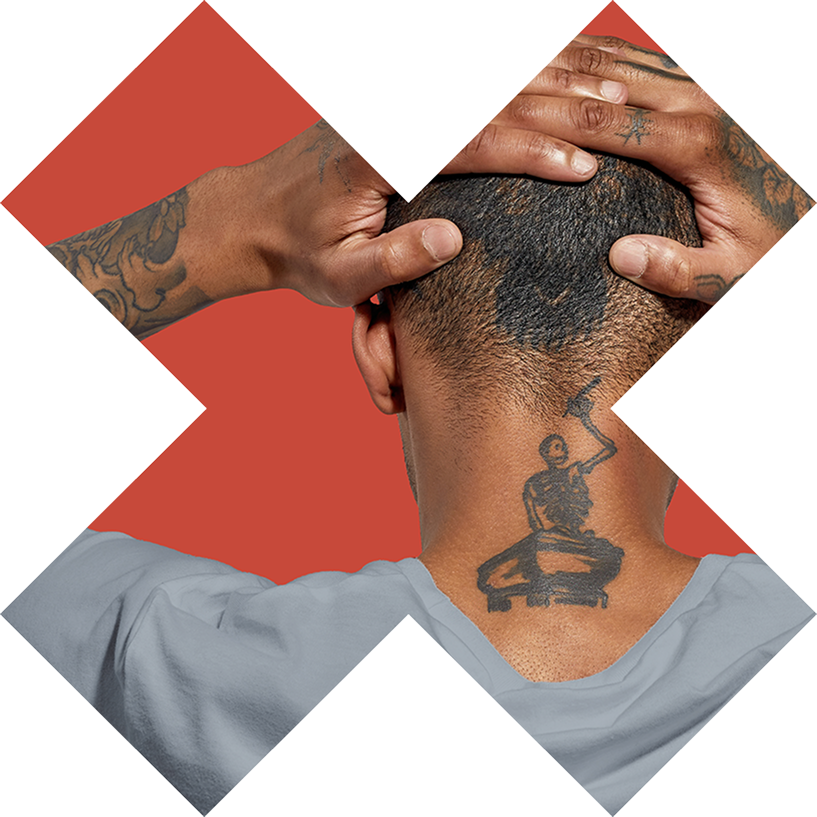
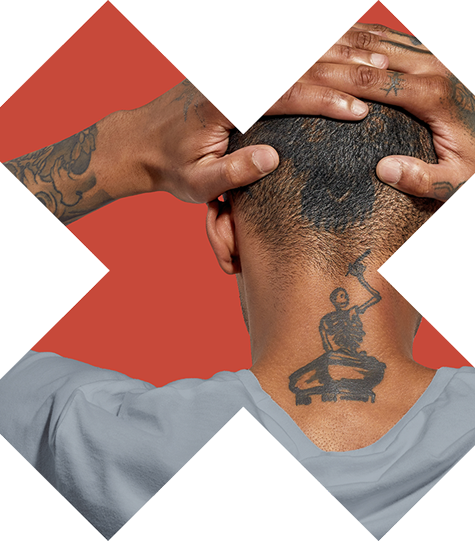
Tattoos tell a story. Harness the power of ROC Vision AI to identify unknown subjects through their tattoos – even when traditional biometrics fall short.
A new standard in tattoo matching.

100x faster than industry standard
Postmortem identification
Crime scene investigation
Forensic intelligence
Human trafficking
Counterterrorism
100x faster than industry standard
Postmortem identification
Human trafficking
Crime scene investigation
Counterterrorism
Forensic intelligence
Precision-engineered biometric identification.
True Acceptance Rate
False Acceptance Rate
%
American Made
Template Generation Speed
Comparison Speed
Template Size

Deployed by
DOD | DOS | US NAVY | US MARSHALS | FBI
AMERICA’S
FINEST
trained on vast, ethically sourced datasets and precisely annotated training data.
01
Easy to integrate
Integrate into any system, platform, or device with ROC SDK. Effortlessly incorporate transformative tattoo matching with just a few lines of code or access the entire suite of ROC multimodal capabilities.
02
Functional and lightweight
Compact feature vector representation for efficient biometric processing. Includes rapid, accurate detection and precise localization of tattoos anywhere on the body.
03
Built with best practices
Adheres to FISWG guidance to ensure optimal performance, including proper image capture, precise tattoo cropping, and efficient metadata storage for refined search filtering based on body part, sex, race, age, and more.
04
Powered by responsible AI
100% made in America, ROC upholds an industry-leading code of ethics to actively mitigate the threat of poison AI. This commitment has earned the trust of the U.S. military, top law enforcement agencies, and global FinTech brands.
PRODUCTS
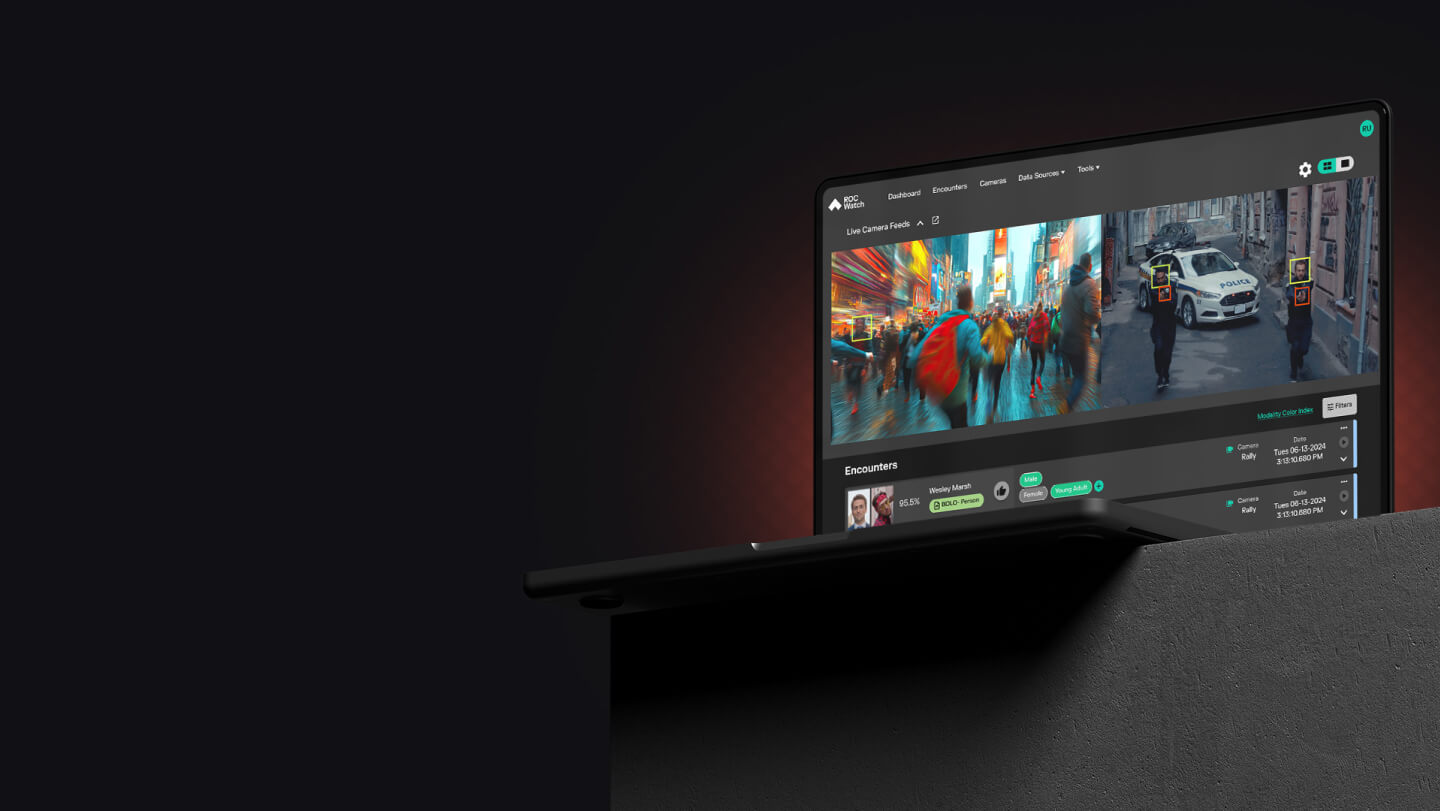

Reimagine What’s Possible
Tap into the power of the all-in-one ROC SDK. Integrate gamechanging biometric and Vision AI capabilities with just a few lines of code.
PRODUCTS


Reimagine What’s Possible
Tap into the power of the all-in-one ROC SDK. Integrate game changing biometric and Vision AI capabilities with just a few lines of code.

FREQUENTLY ASKED QUESTIONS

What is tattoo recognition?
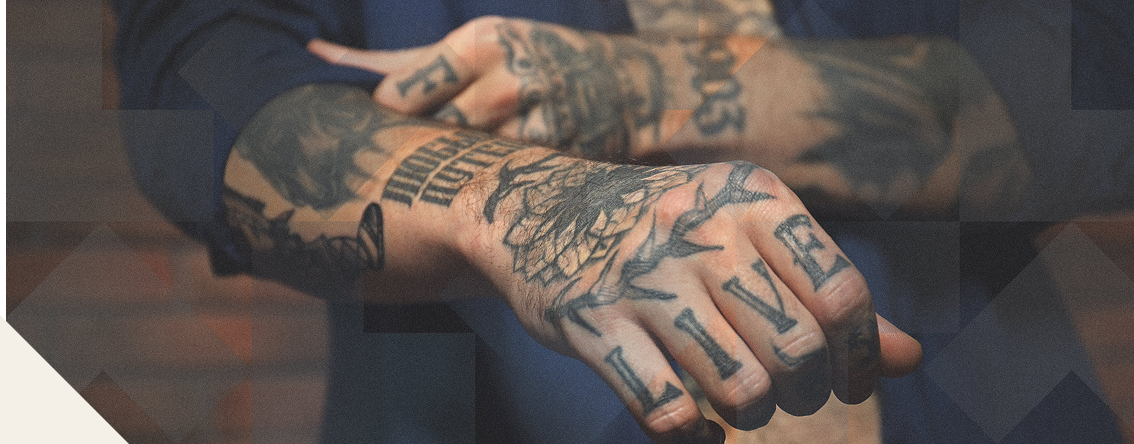
Tattoo recognition is an innovative technology designed to help law enforcement identify suspects when facial or fingerprint images aren’t available or to serve as a secondary biometric that complements the fingerprint or facial modalities. By analyzing unique features present in tattoos, it offers a more precise identification method than broader traits such as race, sex, or age. These unique markings tell a story, providing critical insights into the potential identification of victims and suspects, and presenting possible indicators related to personal information, beliefs, or gang affiliations. This modality enhances investigative capabilities and strengthens law enforcement resources, making it invaluable in solving cases and ensuring public safety.
What is tattoo recognition software and how is it used in law enforcement?
Tattoo recognition software uses computer vision to identify individuals by their tattoos - when face or fingerprint biometrics are unavailable or compromised.
ROC tattoo recognition is 100x faster than the industry standard and achieves the highest accuracy of any competitor in NIST Tatt-E benchmarking. Core law enforcement applications:
- Crime scene investigation when face or fingerprint evidence is absent
- Postmortem identification of unknown remains
- Gang intelligence and affiliation analysis
- Human trafficking victim identification
- Counterterrorism and identity intelligence
Source: NIST Tatt-E
How does ROC tattoo recognition detect and match tattoos?
ROC tattoo recognition operates in three stages:
- Detection and localization - automatically identifies and precisely locates tattoos anywhere on the body in an image
- Feature extraction - generates a compact feature vector encoding color, shape, texture, and structural patterns that cannot be reverse-engineered
- 1:1 or 1:N matching - compares the template against a database of known tattoos at 100x industry standard speed
The system uses the same SDK interface as all other ROC biometrics - integrating tattoo search into an existing ABIS or investigation workflow requires minimal code changes. FISWG-compliant metadata is generated automatically.
Source: NIST Tatt-E
How accurate is ROC tattoo recognition? NIST Tatt-E benchmark results
ROC tattoo recognition accuracy, independently validated by NIST Tatt-E:
- 95.1% True Acceptance Rate at FAR 0.0100%
- At forensic-grade FAR of 0.001%: ROC = 90.8% TAR vs. prior industry leader = 72.1%
- That is an 18.7 percentage-point advantage at the threshold that matters for court-admissible forensic evidence
These results come from independent NIST evaluation - not internal testing - making them directly comparable across all vendors who have submitted to the program.
Source: NIST Tatt-E
How do law enforcement agencies use tattoo recognition to identify suspects?
Agencies use ROC tattoo recognition in three primary investigative scenarios:
- Primary identification - when face and fingerprint biometrics are absent, degraded, or not available in the database
- Postmortem identification - when remains cannot be identified through fingerprints or facial recognition
- Gang and affiliation intelligence - tattoos carry information about gang membership, rank, and criminal activity; metadata filtering by body location and associated characteristics narrows results before examiner review
All use must comply with applicable legal and ethical standards - ROC provides FISWG-aligned workflows to support proper evidence handling and chain-of-custody requirements.
More: roc.ai/code-of-ethics
Can ROC software detect and localize tattoos anywhere on the body?
Yes. ROC automatically detects and precisely localizes tattoos anywhere on the body - arm, neck, back, face, leg, hand, or chest. Body region tagging is included in every API response.
This enables metadata-filtered database search. An examiner searching for a neck tattoo can filter results to neck-region matches, dramatically reducing review time on large databases.
Additional search filters include:
- Body region (specific area)
- Sex and estimated age of the individual
- Race classification for further result narrowing
All filtering follows FISWG guidance for optimal forensic search performance and evidentiary integrity.
More: roc.ai/abis
Can ROC tattoo recognition help identify unknown deceased individuals?
Yes - this is one of the most impactful forensic applications for tattoo recognition. When fingerprints or facial features are unavailable or compromised due to decomposition, trauma, or burns, tattoos often remain legible and uniquely identifiable.
ROC tattoo recognition is used by law enforcement agencies to match tattoo images from postmortem examinations against criminal justice databases where tattoo data was collected during prior arrests or bookings.
The system handles:
- Postmortem image quality variations - trained on real forensic datasets
- Partial tattoo visibility - works with incomplete captures
- Body location filtering to narrow matches from large databases
More: roc.ai/abis — roc.ai/public-safety
How does ROC tattoo recognition integrate with existing systems?
ROC tattoo recognition integrates natively into ROC ABIS as a modality alongside fingerprint, face, and iris - enabling unified multimodal search in a single API call. No separate system or middleware required.
For forensic examination workflows, ROC Examine provides a dedicated tattoo comparison interface:
- Side-by-side visual comparison tools for examiner review
- AI-assisted matching with automated similarity scoring
- Annotation tools for examiner markup and documentation
- Case management linking tattoo evidence to case files with full chain-of-custody
Compliant with FISWG and NIST OSAC standards for forensic biometric examination.
More: roc.ai/abis
What is a tattoo database for law enforcement and how does ROC build and search it?
A law enforcement tattoo database stores searchable biometric templates linked to individuals in criminal justice records. ROC builds and queries these databases through an automated pipeline:
- Detection - automatic tattoo identification from booking photos, crime scene images, or body camera footage
- Template generation - compact, searchable biometric templates with body-region metadata
- 1:N search at 100x industry standard speed
- Metadata filtering - refine results by body location, sex, estimated age, and race before examiner review
Integrates with ROC ABIS for multi-modal cross-referencing - combine tattoo search with fingerprint and face queries in one investigation.
More: roc.ai/abis
How does ROC tattoo recognition SDK integrate with existing ABIS and biometric systems?
ROC Tattoo SDK uses the same interface as all other ROC biometric capabilities - adding tattoo search to an existing ABIS or custom application requires only a few lines of additional code, with no architectural changes.
Platform support: Windows, Linux, macOS, iOS, Android - x86-64 and ARM architectures.
For agencies already running ROC fingerprint or face recognition:
- Tattoo becomes an additional search modality within the same ABIS query
- FISWG-compliant metadata schema is generated automatically - no custom schema work required
- ROC Examine provides the forensic workstation for examiner review across all modalities
More: roc.ai/abis — roc.ai/sdk